Rooted in Partnership: How Montessori Schools Cultivate Family Involvement

Ms. Katie

When Involvement Becomes Impact: The Montessori Family Experience

In the Montessori world, education is not a one-way street. It's a dynamic, evolving partnership that thrives when families, educators, and children walk the path together. At the core of this philosophy is the belief that families are a child’s first teachers and lifelong role models. Montessori schools not only honor this truth, they invite it into the classroom experience.


Why Family Involvement Matters

Research consistently shows that students perform better - academically, socially, and emotionally - when their families are actively involved in their education. But in a Montessori context, this involvement is far more than attending conferences or events. It’s about nurturing a shared vision of the child’s growth and honoring each family's voice in the community.


Montessori educators view parents as trusted collaborators. When families understand the “why” behind Montessori methods, from the Three-Period Lesson to Grace and Courtesy, they become more attuned to their child’s developmental needs and milestones. This synergy builds a solid foundation for consistency and trust between school and home.


Inviting Families Into the Heart of the School

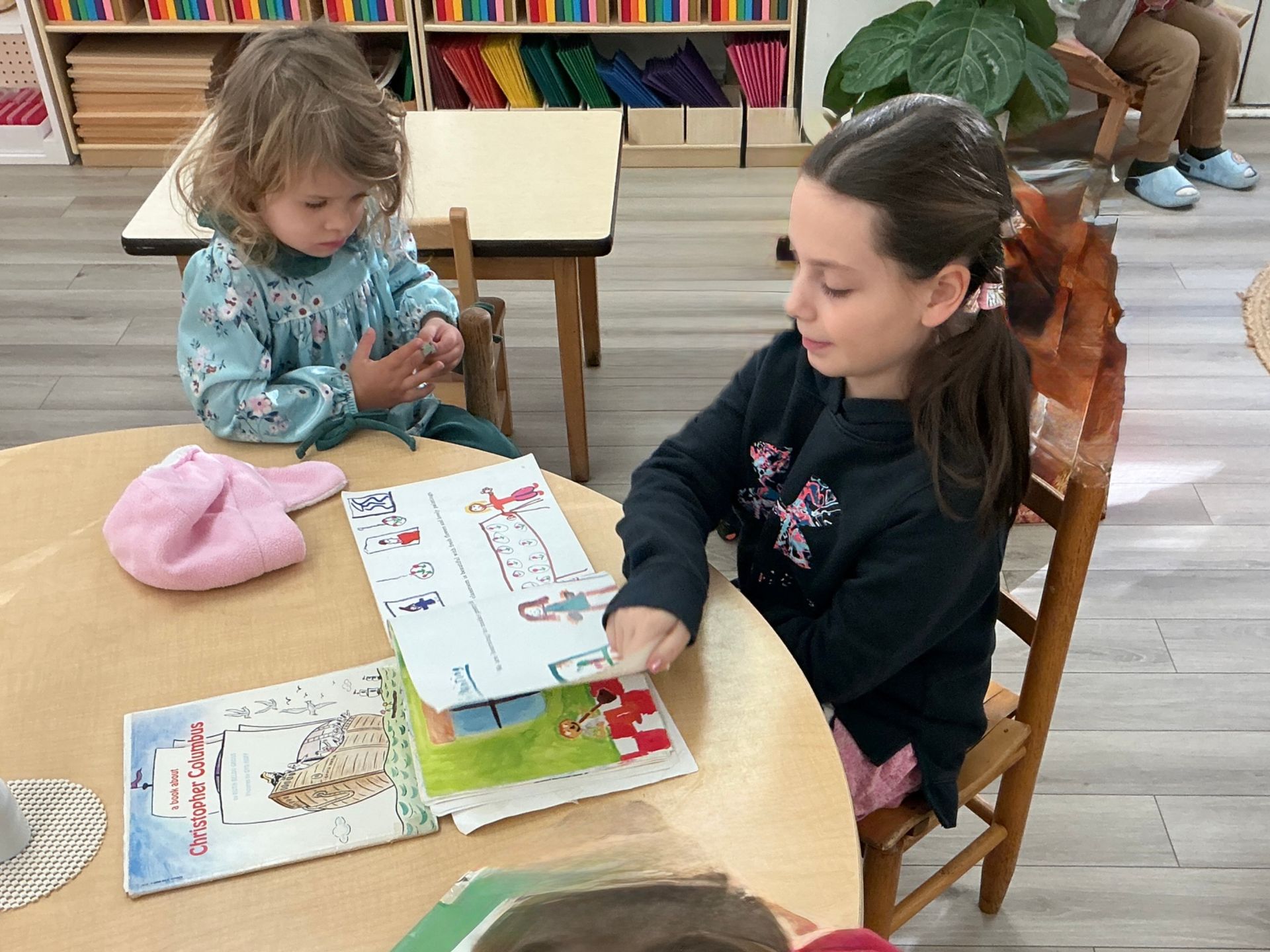
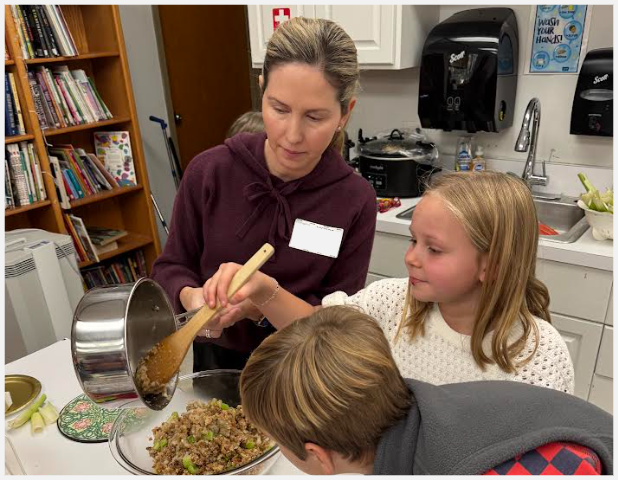
Our school creates meaningful and joyful spaces for families to take part in the school journey. From classroom observations and parent education nights to hands-on volunteer opportunities and community celebrations, families are not on the sidelines - they’re at the table.


A favorite tradition in our school community is our seasonal celebrations and curriculum-inspired “showcases,” where families experience the materials and work cycles firsthand. These aren’t just events, they’re shared moments of wonder, reflection, and pride, where children become the guides and families the eager learners.


From Shared Values to Shared Experiences

Just as Montessori classrooms are multi-age communities rooted in mutual respect, our broader school community functions like an extended family. Through events like our fall picnic, campus beautification days, and cultural festivities, we embrace the spirit of togetherness. These experiences are bridges between generations, between cultures, and between ideas.


We also invite families to share their own passions, stories, and traditions with our students. Whether a parent or grandparent tells a story about a cultural tradition, leads a lesson in the classroom, or helps prepare materials for the classroom, these contributions enrich the learning environment and foster a deeper sense of belonging.


Building Lifelong Bonds

The impact of strong family involvement in a Montessori setting doesn’t end with graduation - it echoes into adulthood. When children see their families deeply invested in their school life, they grow to value community, collaboration, and empathy. These are seeds that blossom into lifelong habits of engagement and civic responsibility.


In the words of Maria Montessori, “The child is both a hope and a promise for mankind.” That promise is fulfilled not in isolation, but in collaboration, with families as true partners in the educational journey.


By Ms. Katie, Outreach Coordinator
By Ms. Jessica March 3, 2026
Toilet learning is an important milestone in early childhood, and in Montessori education, it is approached with respect, patience, and trust in the child. Rather than something adults train, toilet learning is seen as a natural developmental process that unfolds when a child is ready. Following the Child Children develop at their own pace. From a Montessori perspective, readiness is more important than age. You may notice signs such as staying dry for longer periods, showing interest in the bathroom, communicating bodily needs, or wanting to participate in dressing themselves. When we wait for these cues, children feel respected and capable—two key foundations for independence. Being able to feel the wetness from cloth diapers or underwear helps with body awareness. A Prepared Environment at Home and School Independence grows when children can do things for themselves. Simple environmental supports make a big difference: A child-sized toilet or potty A step stool for the toilet and sink Easy-to-remove clothing A place for clean clothes within the child’s reach When the environment is prepared, children can manage each step with confidence, building pride in their abilities. Respectful Language and Calm Support The way we talk about toilet learning matters. In Montessori, adults use calm, neutral language that helps children tune into their own bodies: “Your body is telling you it’s time to try.” “Accidents happen while we are learning.” “You have wet clothes, lets go change” There is no pressure, punishment, or reward. This allows children to focus on internal awareness rather than external approval. Toilet learning is just like other learning only it involves bodily functions. Accidents Are Part of Learning Accidents are a normal and expected part of the process. When handled calmly—“Your clothes are wet. Let’s change them”—children learn without shame. These moments provide valuable information and help children make connections for next time. Consistency and Patience Offering regular opportunities to use the toilet, such as after waking or before going outside, supports learning while still honoring the child’s choice. Progress may move forward and backward, especially during times of change. This is developmentally normal and met with reassurance and patience. Independence Is the Goal From a Montessori perspective, the goal of toilet learning is not speed or perfection, but independence. Each step a child takes toward caring for their own body strengthens confidence and self-trust. Home–School Partnership Toilet learning is most successful when home and school work together. Open communication allows us to support your child consistently and respectfully across environments. Sharing observations about your child’s readiness, routines, and any changes at home helps us respond thoughtfully at school. Likewise, we will keep families informed about progress and experiences in the classroom. When children experience the same calm, supportive approach in both settings, they feel secure and confident as they build independence.  By working together and honoring each child’s unique timeline, we can make toilet learning a positive and empowering experience—for both children and adults.
By Ms. Kim February 17, 2026
At its heart, Let Grow is about giving children appropriate freedom and responsibility so they can grow into capable, resilient individuals.