At home tip: Create a small "prepared space" for your child to store their school items, hang their backpack, and access materials for work or play independently.
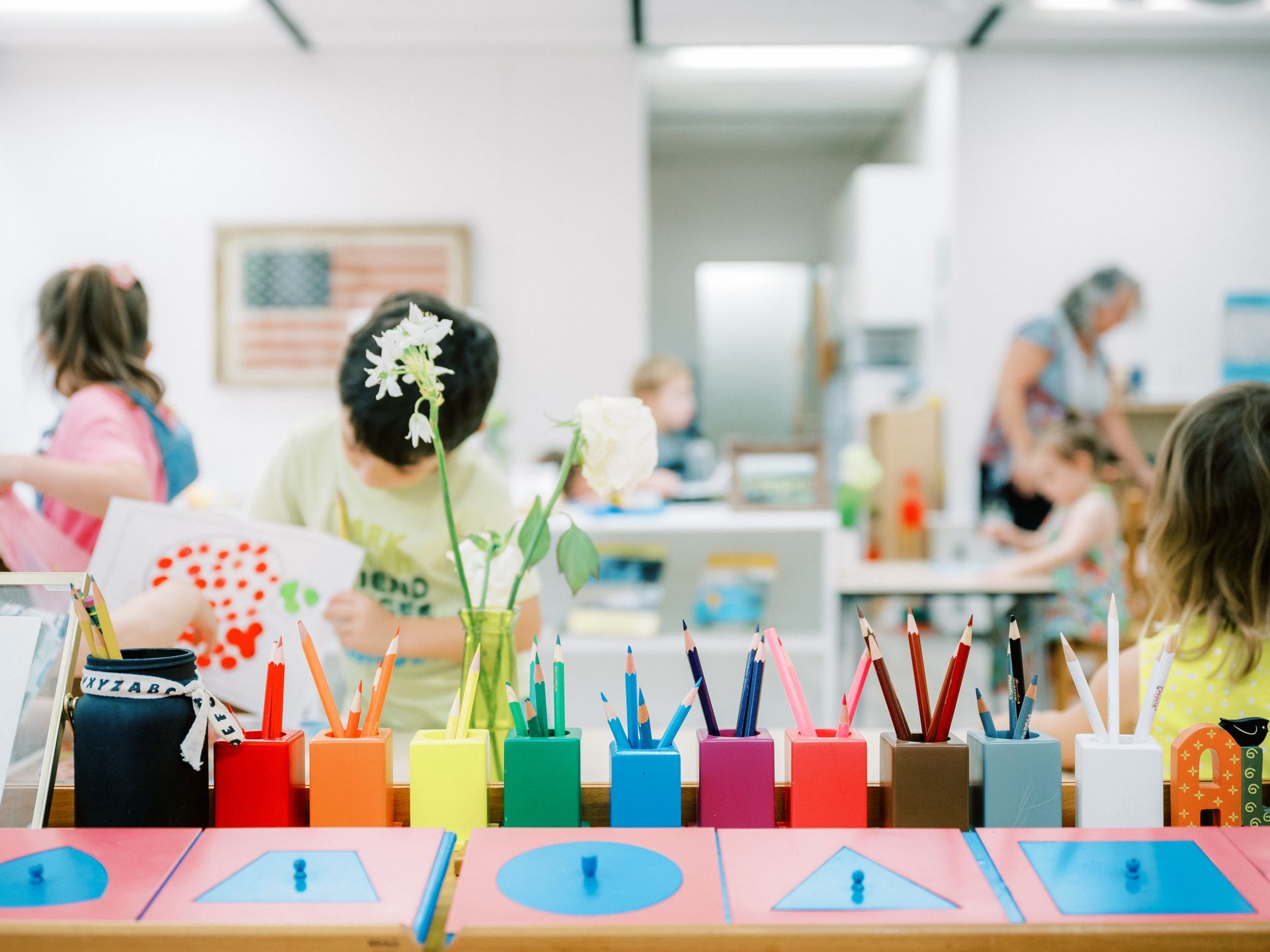
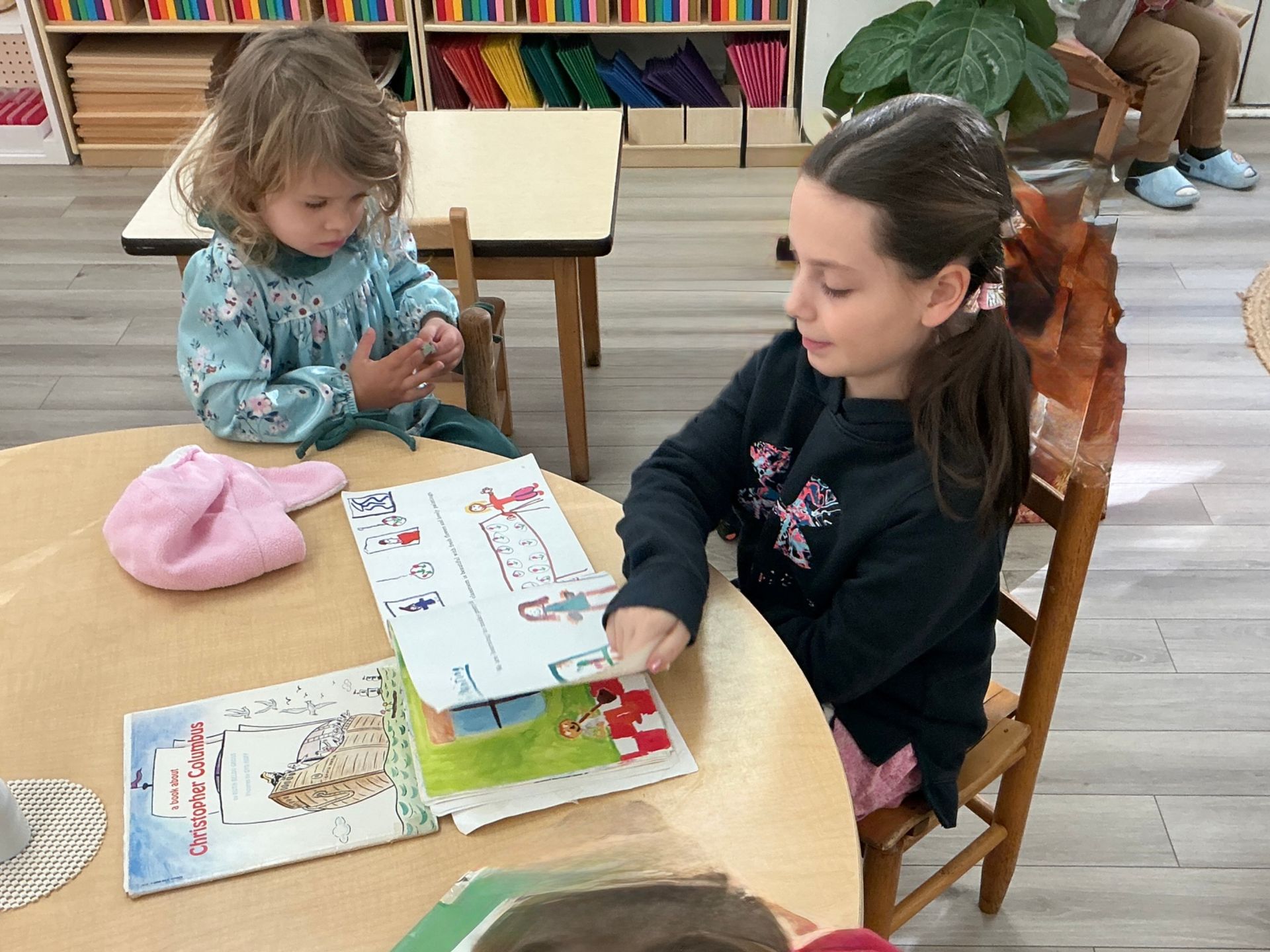
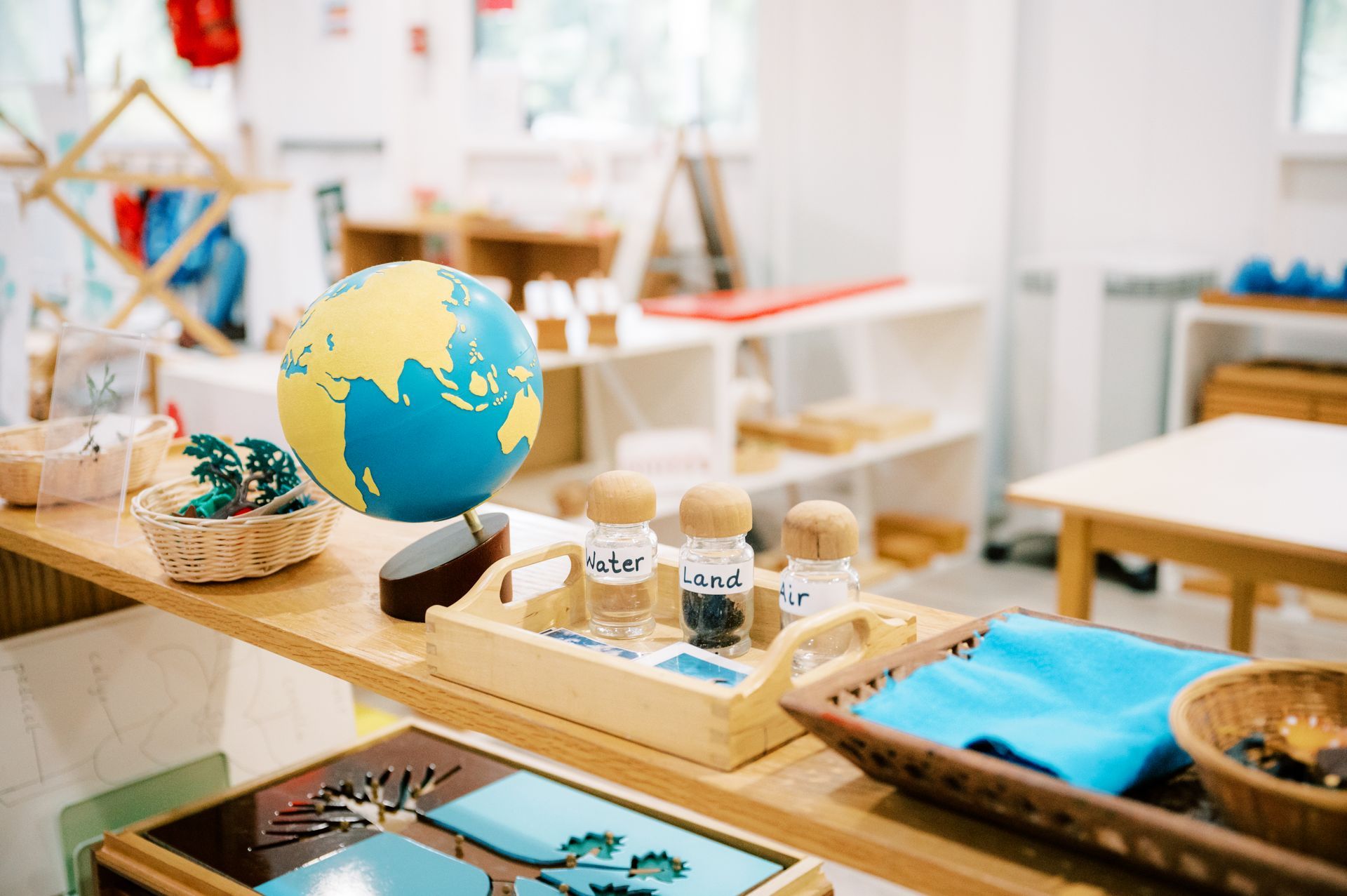
As we begin the school year, one of the most important concepts in Montessori education is the Prepared Environment - a thoughtfully designed space that encourages independence, exploration, and concentration. In Montessori classrooms, every material, shelf, and activity is placed with purpose. The goal is to support the child's natural development and allow them to make choices, take responsibility, and experience success.
At home tip: Create a small "prepared space" for your child to store their school items, hang their backpack, and access materials for work or play independently.
Toddler Focus (Ages 18 Months–3 Years): Building Independence
For toddlers, the Prepared Environment is designed especially for their growing desire to do things for themselves. Child-sized furniture, materials within reach, and simple, predictable routines allow young children to participate meaningfully in their classroom. Whether carrying their own belongings, choosing an activity from the shelf, washing their hands, or helping with snack, these everyday experiences build coordination, confidence, and independence.
Try this at home: Look for one small task your child can begin doing independently - putting clothes in a hamper, carrying their cup to the table, choosing between two outfits, or helping put toys away. Allow a little extra time and resist the urge to step in too quickly. In Montessori, even the attempt is important!
Primary Focus (Ages 3–6): Grace and Courtesy
In August, Primary classrooms begin with lessons in Grace and Courtesy - a foundational part of Montessori that builds respect and community. Children practice how to greet others, wait their turn, walk around a rug, and ask for help.
Try this at home: Model and role-play polite greetings or how to ask for help in different situations.
Lower Elementary Focus (Grades 1–3): Freedom Within Limits
Children in Lower Elementary are adjusting to more complex routines and increased responsibility. They're learning about Freedom Within Limits - how to make choices while respecting boundaries. This is a key part of developing internal discipline.
Ask your child: "What materials did you choose to work with today?" and celebrate the responsibility they are taking.
Upper Elementary Focus (Grades 4–6): Community and Responsibility
Older students are beginning to take leadership roles in the classroom. August is a time for establishing Classroom Agreements and discussing shared responsibilities. They explore how their actions affect the group and begin to lead by example. Your children were part of this process during Community Meetings this week.
Family connection: Have a conversation about what it means to be a leader and how to contribute positively at home or school.
Helpful Resources for Parents
1. Book Recommendation: The Montessori Child: A Parent's Guide to Raising Capable Children with Creative Minds and Compassionate Hearts by Simone Davies & Junita Uzodike
From Amazon: When children are given independence, the tools to succeed, and the encouragement to build on their abilities, it's amazing what they can achieve. The newest book in the bestselling Montessori series is an everything-you-need-to-know guide to raising your school-aged child (from 3–12 years old, with a bonus chapter for the teen years) in the Montessori way. Educators Simone Davies and Junnifa Uzodike provide an in-depth, practical guide to incorporating Montessori principles into readers' everyday lives, with advice on everything from setting up your home in ways that encourage curiosity and independence to supporting your child's social and moral development with a balance of limit-setting and age-appropriate freedoms. The book includes dozens of hands-on activities to help foster your child's love of numbers and literacy, art and science, and ones that encourage community-building, social awareness, and connection with the natural world.