By involving children in holiday traditions the Montessori way, you’re not just creating festive memories - you’re fostering independence, gratitude, and a lifelong love of meaningful work.
The holiday season is full of warmth, family traditions, and opportunities to create lasting memories. For Montessori families, this time of year is also a chance to nurture independence, mindfulness, and gratitude in children. Here’s how you can weave Montessori principles into your holiday celebrations.
1. Invite Children to Participate in Real Holiday Tasks
Montessori emphasizes practical life activities - real, meaningful work that helps children feel capable and connected. During the holidays, this can include:
- Cooking and Baking: Let children measure ingredients, stir batter, or decorate cookies.
- Setting the Table: Show them how to fold napkins or arrange utensils.
- Gift Wrapping: Provide child-sized scissors, tape, and simple wrapping paper for them to wrap small gifts.
These tasks build fine motor skills, confidence, and a sense of contribution.
2. Create a Child-Friendly Holiday Environment
Prepare your home so children can engage independently:
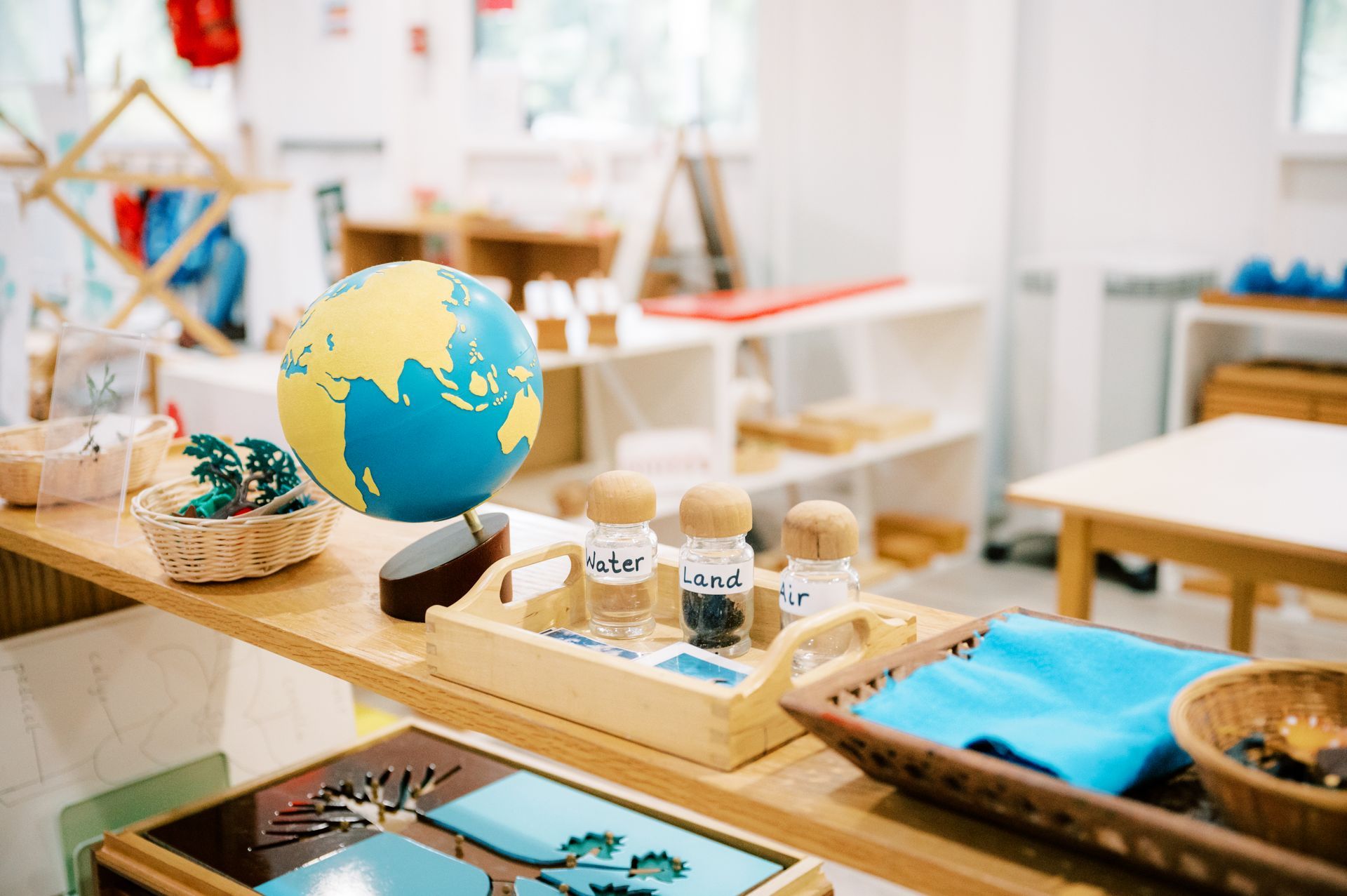
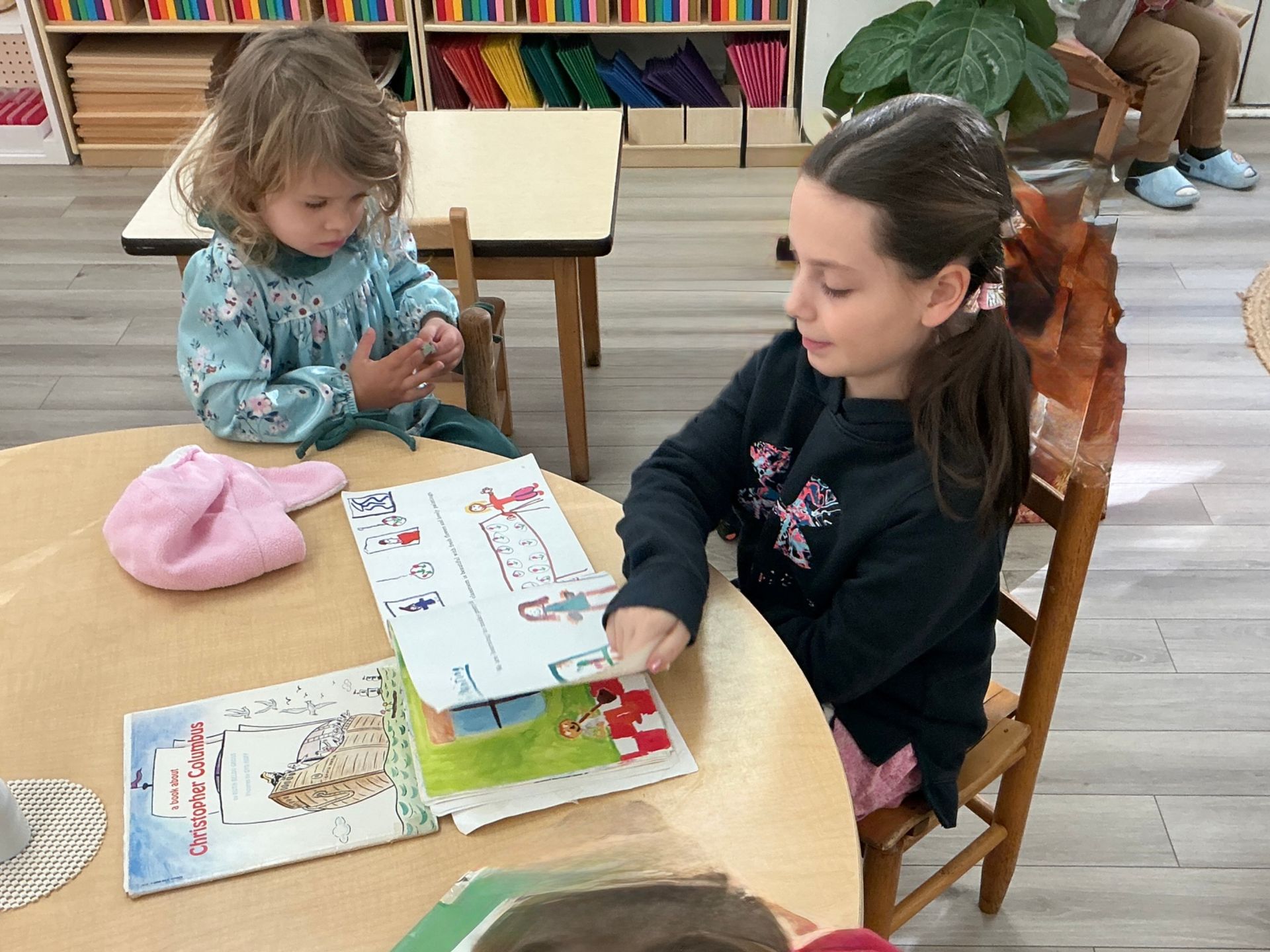
- A low shelf with holiday books and simple crafts.
- A small basket of ornaments they can safely hang.
- A step stool in the kitchen for helping with meal prep.
This setup encourages autonomy and reduces frustration during busy holiday times.
3. Teach Gratitude Through Daily Rituals
Gratitude is a cornerstone of Montessori’s focus on peace and respect. During the holidays:
- Gratitude Jar: Invite children to write or draw something they’re thankful for each day.
- Thank-You Notes: After receiving gifts, help them create simple cards or drawings to express appreciation.
- Model Gratitude: Verbally express thanks for small things - “I’m grateful for your help setting the table.”
These practices help children internalize gratitude as a habit, not just a holiday gesture.
4. Emphasize Giving Over Receiving
Montessori encourages empathy and service. Involve children in:
- Making Homemade Gifts: Simple crafts or baked goods for family and friends.
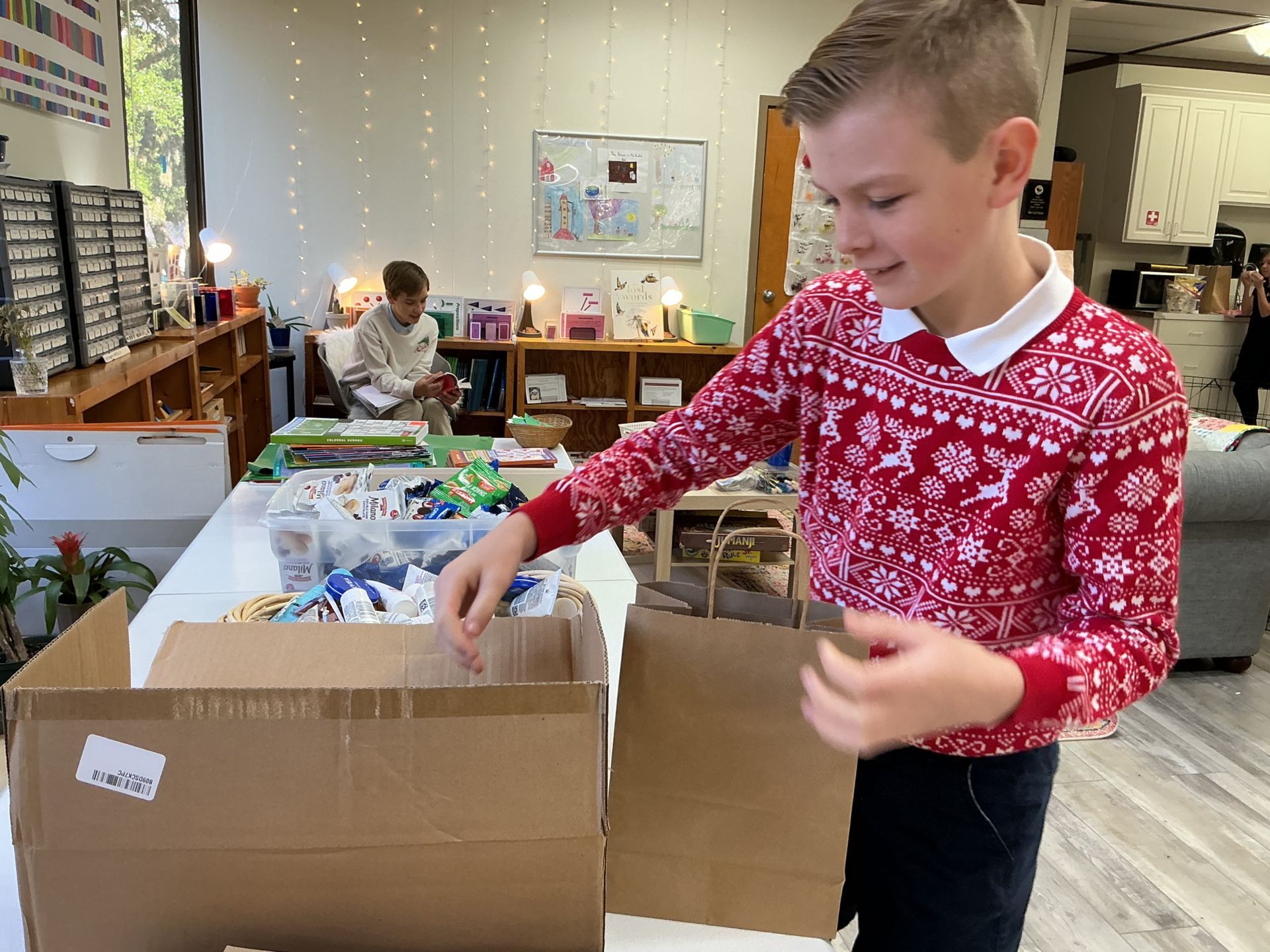
- Donating Toys or Clothes: Let them choose items to give to those in need.
- Acts of Kindness: Baking cookies for neighbors or writing cheerful notes.
This shifts the focus from material gifts to meaningful connections.
5. Slow Down and Create Peaceful Moments
The holidays can be overwhelming. Montessori values calm and order:
- Light a candle together before meals.
- Share a quiet story time each evening.
- Practice deep breathing or a short mindfulness activity.
These rituals help children feel grounded and secure.
By involving children in holiday traditions the Montessori way, you’re not just creating festive memories - you’re fostering independence, gratitude, and a lifelong love of meaningful work. This season, let your child be an active participant, not just an observer.