
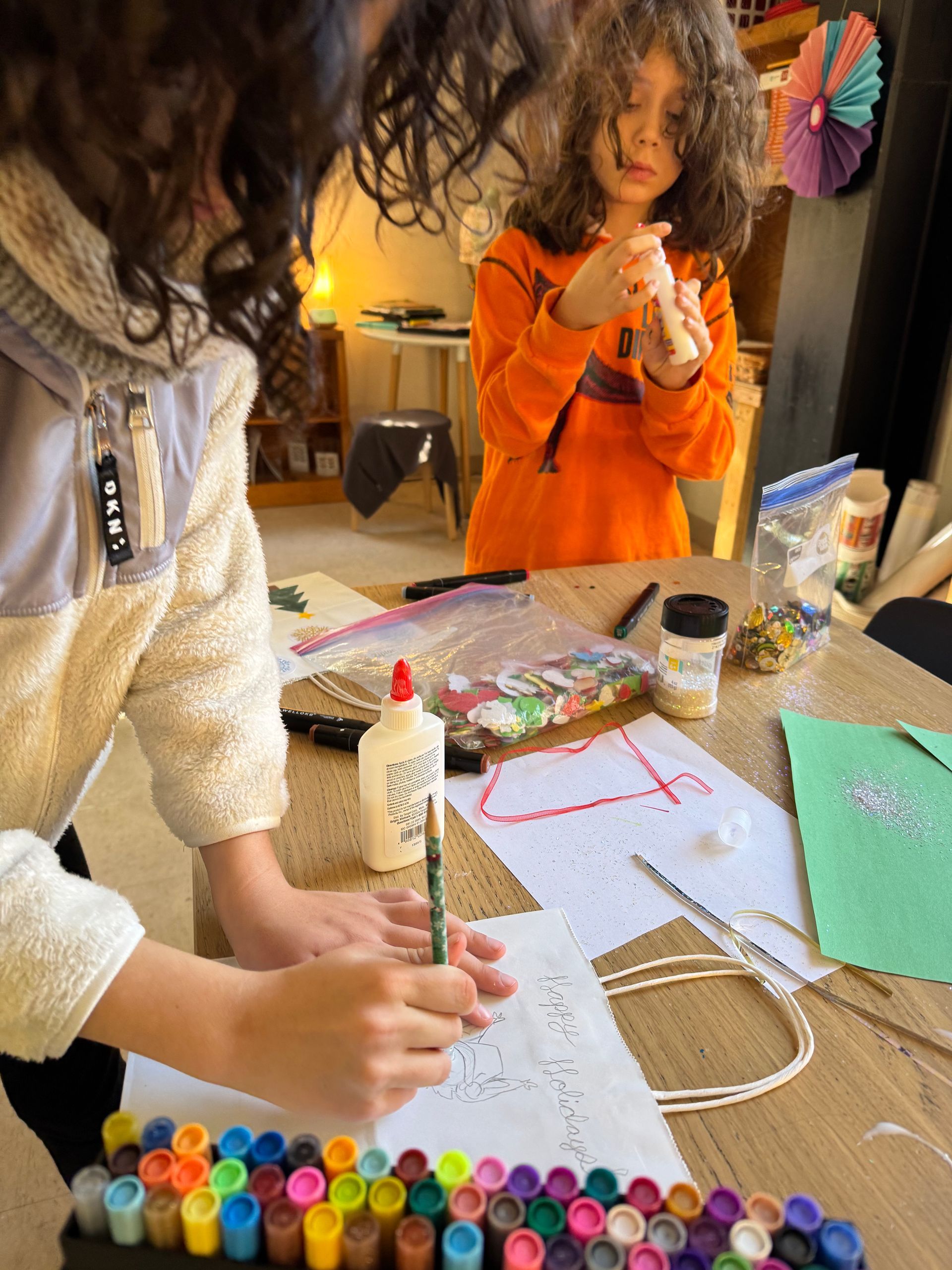
The Spirit of Service in Montessori Education: Raising Caring, Capable Human Beings

Ms. Emily

In a world that often celebrates individual achievement over collective wellbeing, the Montessori approach stands apart.

In a world that often celebrates individual achievement over collective wellbeing, the Montessori approach stands apart. At its heart is a simple yet profound belief: children become their best selves when they learn to contribute meaningfully to their community. This is the spirit of service, and it is woven deeply into Montessori education.


Montessori classrooms are famous for encouraging independence - children pour their own water, prepare their own snacks, choose their own work. But what’s often overlooked is that independence is not the end goal. Instead, independence prepares the child to contribute.


When a child cleans up a spill, cares for a plant, or helps a younger classmate tie a shoe, they’re not doing chores. They’re discovering the joy of being helpful. They’re learning that their actions matter. They begin to understand that they are part of something larger than themselves.


Montessori’s lessons in grace and courtesy - how to interrupt politely, how to offer help, how to move gracefully in a shared space - are small but powerful seeds of service. Through everyday interactions, children practice mindfulness, empathy, and social awareness.


These lessons teach children their words and actions can affect others; respect is mutual, not demanded; harmony is created through intentional choices.


As children grow, Montessori encourages them to engage with the wider world. Older students may plan community service projects; participate in environmental conservation; and learn about social justice and global citizenship.


Montessori education cultivates not only capable thinkers, but compassionate doers. In a culture of competition, Montessori children learn collaboration. In a society that prizes achievement, they learn empathy. In a world facing complex challenges, they grow into adults who understand that service is both a privilege and a path to purpose.


The spirit of service is not a curriculum add-on in Montessori - it is the heartbeat of the approach. When children learn to care, they become empowered. When they learn to help, they become leaders. And when they learn to serve, they help build the more peaceful world Maria Montessori envisioned.
By Ms. Jessica March 3, 2026
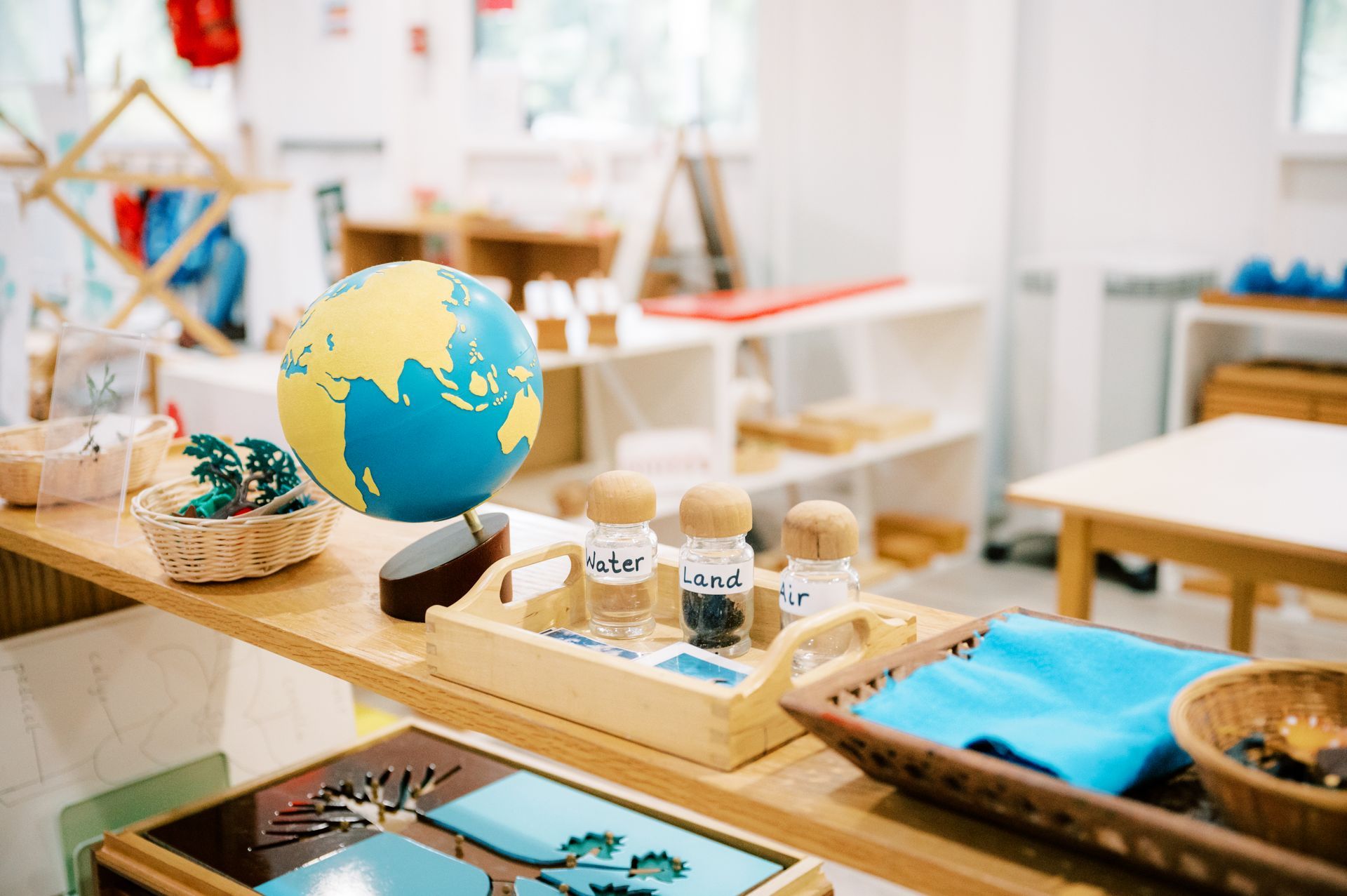
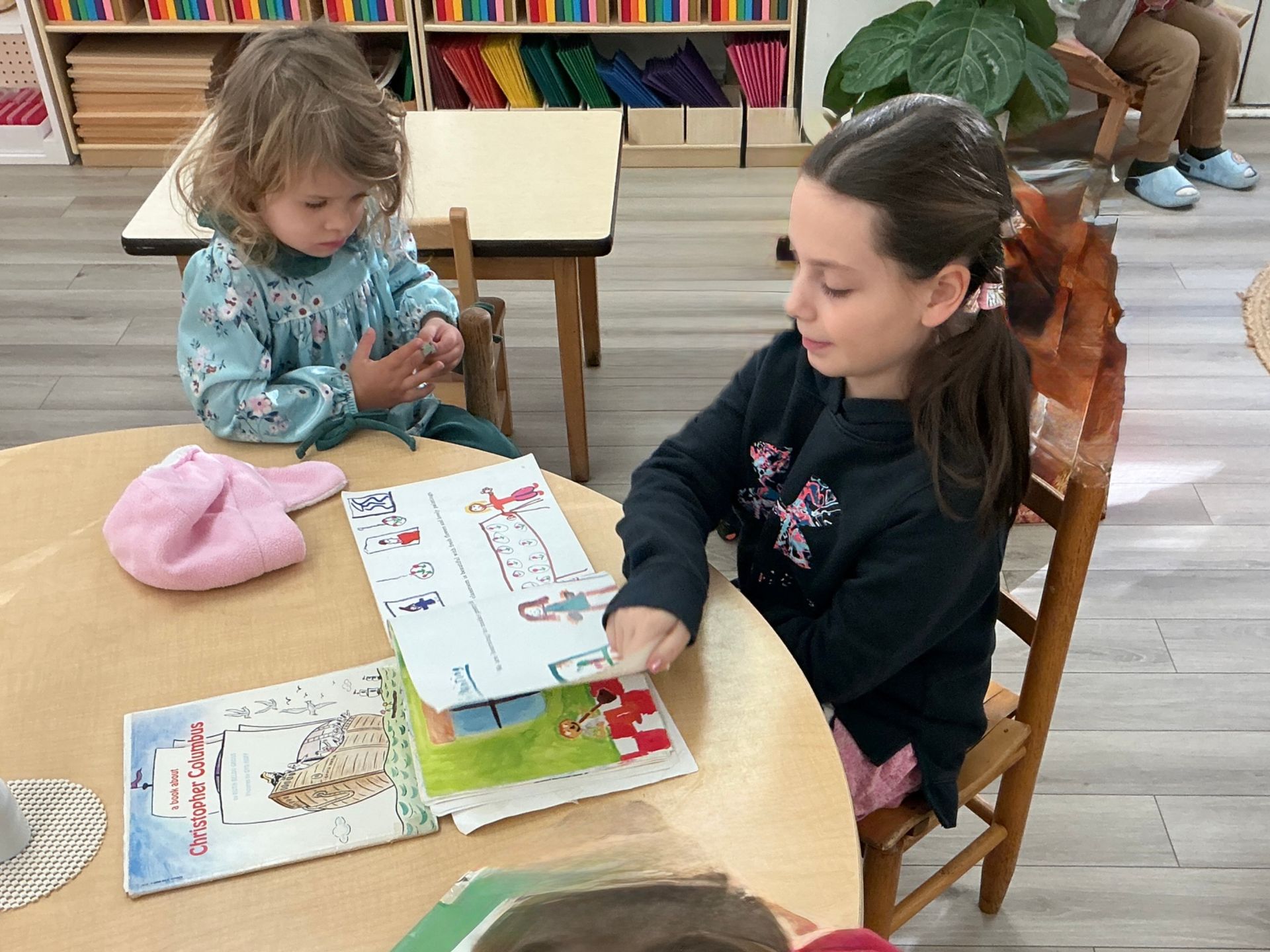
Toilet learning is an important milestone in early childhood, and in Montessori education, it is approached with respect, patience, and trust in the child. Rather than something adults train, toilet learning is seen as a natural developmental process that unfolds when a child is ready. Following the Child Children develop at their own pace. From a Montessori perspective, readiness is more important than age. You may notice signs such as staying dry for longer periods, showing interest in the bathroom, communicating bodily needs, or wanting to participate in dressing themselves. When we wait for these cues, children feel respected and capable—two key foundations for independence. Being able to feel the wetness from cloth diapers or underwear helps with body awareness. A Prepared Environment at Home and School Independence grows when children can do things for themselves. Simple environmental supports make a big difference: A child-sized toilet or potty A step stool for the toilet and sink Easy-to-remove clothing A place for clean clothes within the child’s reach When the environment is prepared, children can manage each step with confidence, building pride in their abilities. Respectful Language and Calm Support The way we talk about toilet learning matters. In Montessori, adults use calm, neutral language that helps children tune into their own bodies: “Your body is telling you it’s time to try.” “Accidents happen while we are learning.” “You have wet clothes, lets go change” There is no pressure, punishment, or reward. This allows children to focus on internal awareness rather than external approval. Toilet learning is just like other learning only it involves bodily functions. Accidents Are Part of Learning Accidents are a normal and expected part of the process. When handled calmly—“Your clothes are wet. Let’s change them”—children learn without shame. These moments provide valuable information and help children make connections for next time. Consistency and Patience Offering regular opportunities to use the toilet, such as after waking or before going outside, supports learning while still honoring the child’s choice. Progress may move forward and backward, especially during times of change. This is developmentally normal and met with reassurance and patience. Independence Is the Goal From a Montessori perspective, the goal of toilet learning is not speed or perfection, but independence. Each step a child takes toward caring for their own body strengthens confidence and self-trust. Home–School Partnership Toilet learning is most successful when home and school work together. Open communication allows us to support your child consistently and respectfully across environments. Sharing observations about your child’s readiness, routines, and any changes at home helps us respond thoughtfully at school. Likewise, we will keep families informed about progress and experiences in the classroom. When children experience the same calm, supportive approach in both settings, they feel secure and confident as they build independence.  By working together and honoring each child’s unique timeline, we can make toilet learning a positive and empowering experience—for both children and adults.
By Ms. Kim February 17, 2026
At its heart, Let Grow is about giving children appropriate freedom and responsibility so they can grow into capable, resilient individuals.