
Building a Montessori Community: The Role of Parents and Families

Ms. Savannah

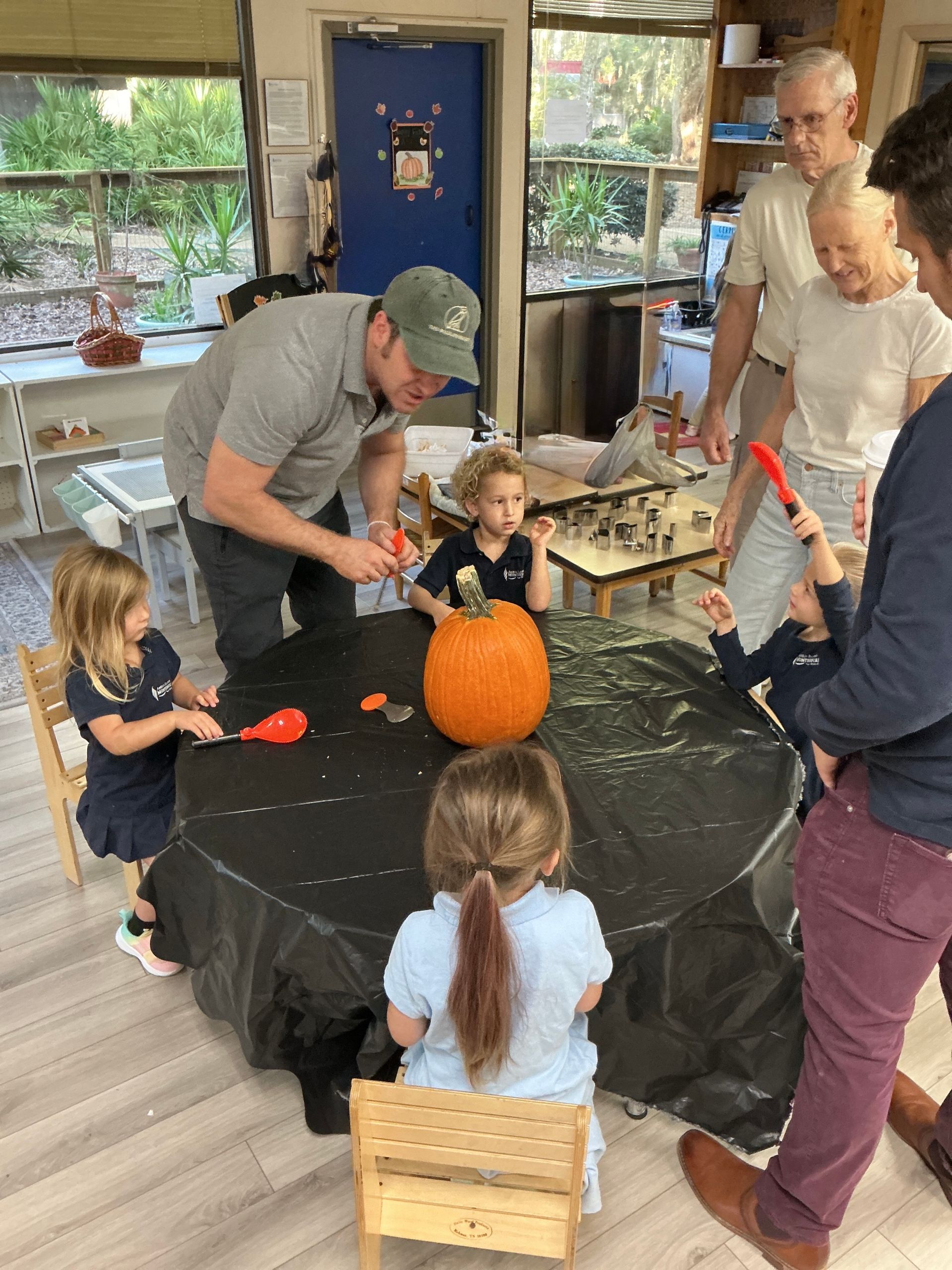
A thriving Montessori environment is never built by educators alone. It blossoms through the partnership between school and home. In our classroom, we have already seen how family involvement enriches children’s experiences, strengthens their confidence, and fills our days with excitement and connection.


This year, many of you have shared pieces of your family life with us, and those moments have made a meaningful impact. From coming in to read with the children, to supporting class events, to sending us stories of your child’s growth at home. Each gesture has helped create a sense of belonging that children can feel. When children see the adults in their world working together, they move through their day with greater ease, trust, and joy.


Here are a few ways family engagement helps build our classroom community:

  • Shared Values & Consistency at Home and School:

Small routines at home such as encouraging children to dress themselves, take responsibility for their belongings, or help with food preparation mirror the independence we nurture at school. Children feel grounded when expectations are aligned.

  • Grace, Courtesy & Respectful Communication:

When families model taking turns to speak, greeting others warmly, and using kind, respectful language, children carry those same practices into their social interactions at school.

  • Celebrating Families and Cultures:

When a parent shares a family tradition, a favorite recipe, or a cultural celebration, the classroom becomes a place where every child feels seen and valued. These exchanges help children appreciate diversity and build connections with one another.


One of my favorite parts of Montessori is that it is a community journey. We, as educators, are learning alongside you: observing, reflecting, and growing every day. Your questions, curiosity, and partnership inspire us to deepen our practice and support your children in meaningful ways.


As we continue through the year, I invite you to stay connected in ways that feel comfortable for your family whether that means joining a classroom event, practicing independence routines at home, or simply sharing a moment of your child’s joy or success. Every bit of involvement brings richness to our shared community.


Thank you for all the ways you support our classrooms. Your presence truly makes a difference, and we are grateful to be walking this Montessori journey with you.
By Ms. Mackenzie June 2, 2026
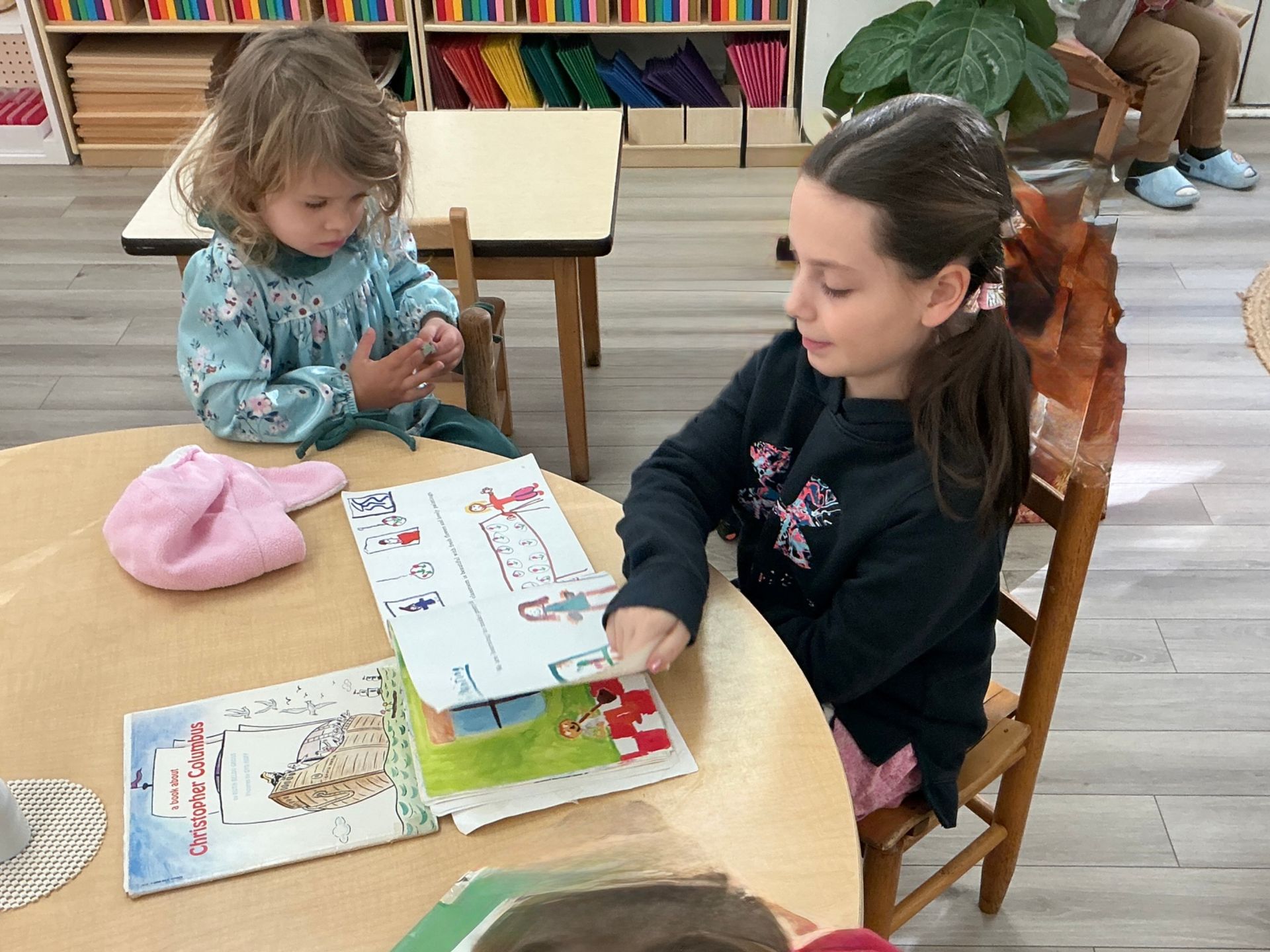
Buddy classrooms are where students from different classrooms regularly come and go to work and learn together in shared spaces throughout the school. In this setup, they interact with one another, creating a more dynamic and collaborative environment. We also have mixed ages inside the classroom, which allows younger and older students to learn from each other, build relationships, and develop important social and leadership skills.  In a Montessori environment, one of the most powerful and unique aspects of learning is the natural collaboration that occurs between children of different ages. Unlike traditional classrooms that separate students strictly by grade, Montessori classrooms are intentionally designed to foster connection, mentorship, and shared discovery. At AIMS, this philosophy comes to life in meaningful and inspiring ways as older children regularly work alongside younger ones, whether through reading together or demonstrating classroom materials, often referred to as “works.” When older children read to younger students, the experience goes far beyond simple storytelling. For the younger child, it provides a model of fluent reading, builds listening skills, and nurtures a love for language. There is something deeply engaging about hearing a story from a peer: it feels accessible, relatable, and exciting. Younger students often look up to older ones, and this admiration naturally increases their motivation to learn and grow. For the older child, the benefits are equally significant. Reading aloud strengthens comprehension, fluency, and confidence. It also requires patience and awareness, as they adjust their pace and tone to meet the needs of their younger audience. In these moments, older students step into a leadership role, developing empathy and a sense of responsibility. They begin to see themselves not just as learners, but as contributors to their community. Another beautiful aspect of this cross-age interaction at AIMS is when older children present works to younger students. These demonstrations might include showing how to use a specific material, explaining a concept, or guiding a younger child through a hands-on activity. For the younger child, this peer-led introduction can feel less intimidating than adult instruction. It encourages curiosity and invites them to explore new challenges with confidence. Meanwhile, the older child deepens their own understanding by teaching. Explaining a concept requires clarity of thought and reinforces their knowledge in a lasting way. It also cultivates pride and ownership in their learning journey. They begin to recognize that mastery is not just about completing a task, but about being able to share it meaningfully with others. At AIMS, these interactions are not forced, they grow organically within a carefully prepared environment. Teachers guide and support the process, ensuring that each child is both challenged and nurtured. The result is a vibrant community where collaboration replaces competition, and learning becomes a shared experience. Ultimately, the relationship between older and younger children in a Montessori setting reflects a broader life lesson: we learn best when we learn together. Younger children gain inspiration, guidance, and confidence, while older children develop leadership, empathy, and a deeper understanding of their own abilities. It is a dynamic, reciprocal process that enriches everyone involved, and it is one of the many ways AIMS creates a truly meaningful educational experience.
By Ms. Kilpatrick May 19, 2026
“To confer the gift of drawing, we must create an eye that sees, a hand that obeys, a soul that feels; and in this task, the whole life must cooperate. In this sense, life itself is the only preparation for drawing. Once we have lived, the inner spark of vision does the rest.” –Maria Montessori