Why Giving Matters: The Lifeblood of Independent Schools

Ms. Katie

“Within the child lies the fate of the future.” – Maria Montessori

Amelia Island Montessori embodies a child-centered education, grounded in Montessori philosophy and methodology, that supports the "whole child," inspiring independent thinkers and cultivating collaborative citizens. For our Montessori community, this mission is not just a statement; it’s a living, breathing practice that unfolds in every classroom, every material, and every moment of discovery.


But behind the scenes of this transformative education is a truth that’s often overlooked: independent nonprofit schools rely deeply on philanthropy to thrive.


Why Tuition Alone Isn’t Enough

While tuition provides a foundational revenue stream, it typically covers only 80–85% of a school’s operating budget. That remaining gap, the difference between what tuition provides and what it truly costs to deliver an exceptional, child-centered education, is bridged by the generosity of donors.


Unlike public schools, independent schools do not receive government funding. And unlike for-profit institutions, we are mission-driven, not profit-driven. Every dollar we receive goes directly into enriching the student experience - from maintaining beautiful learning environments to supporting professional development for our educators, expanding enrichment activities, and investing in innovative programs.


The Power of Philanthropy

Philanthropy is more than financial support - it’s a vote of confidence in our vision. It’s a way for families, alumni, grandparents, and friends to say, “I believe in what this school stands for.”

  • Gifts to the Annual Giving Fund help us respond to immediate needs and opportunities.
  • Capital gifts allow us to dream bigger - renovating current spaces, building new spaces, expanding programs, and reaching more children.
  • Endowment and Planned gifts ensure long-term sustainability, securing our future for generations to come.


Why Your Gift Matters

Every gift, no matter the size, is a meaningful contribution to our shared mission. It tells our students that their education is worth investing in. It tells our educators that their work is valued. And it tells our community that we are united in creating something extraordinary.


Giving is also contagious. When families see others giving, they’re more likely to join in. That’s how we build a culture of philanthropy - one rooted in gratitude, generosity, and shared purpose.


Join Us in Shaping the Future

As we launch our Annual Giving Campaign, we invite you to be part of something bigger than any one classroom or student. Your support helps us continue to offer a Montessori education that is joyful, rigorous, and deeply human.

Whether you’re a current parent, an alum, a grandparent, or a friend of the school - your gift makes a difference. Together, we can ensure that our school remains a place where children are free to explore, grow, and become their fullest selves.


Let’s build the future - one gift at a time.


By Ms. Katie, Outreach Coordinator
By Ms. Mackenzie June 2, 2026
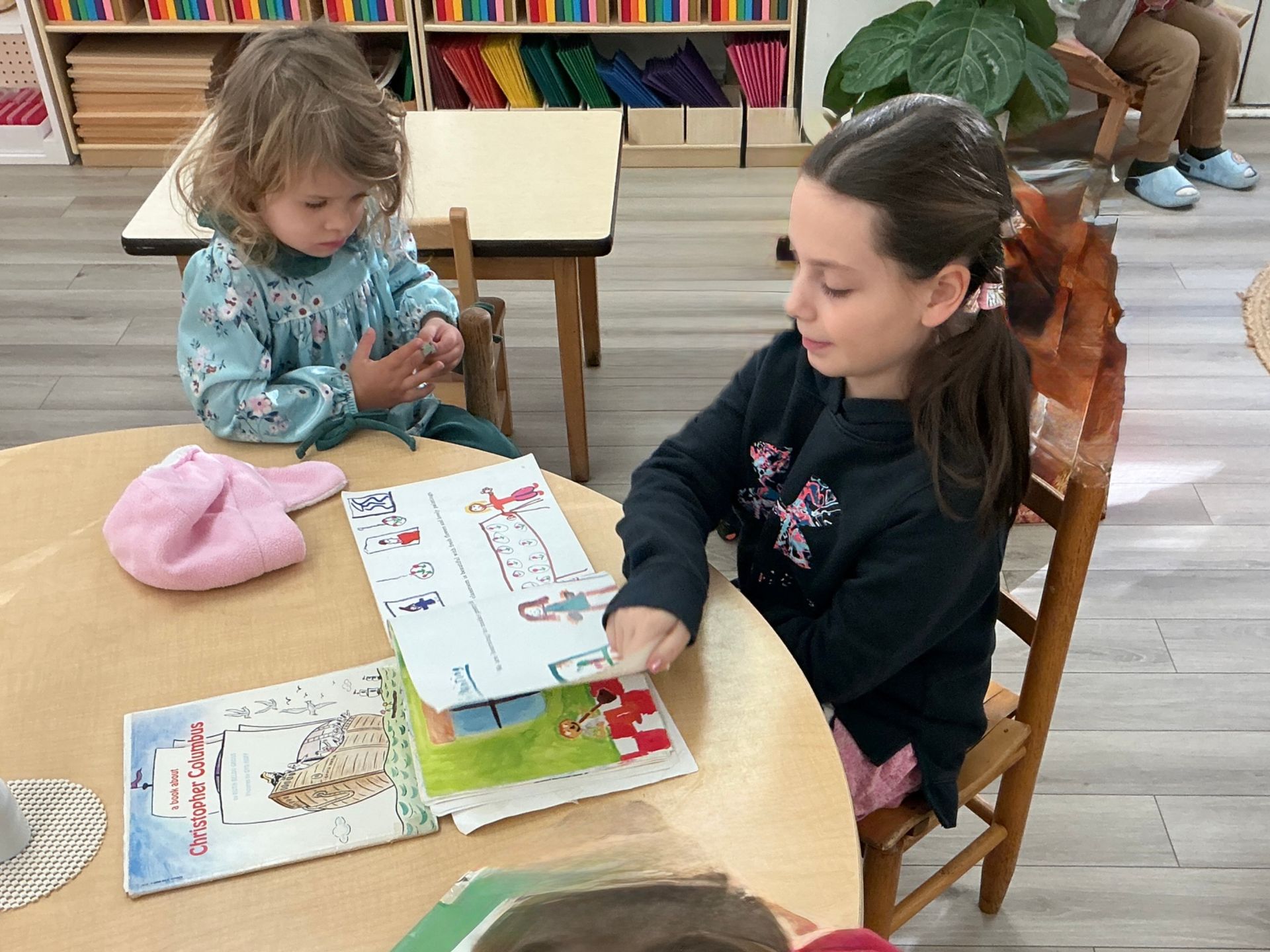
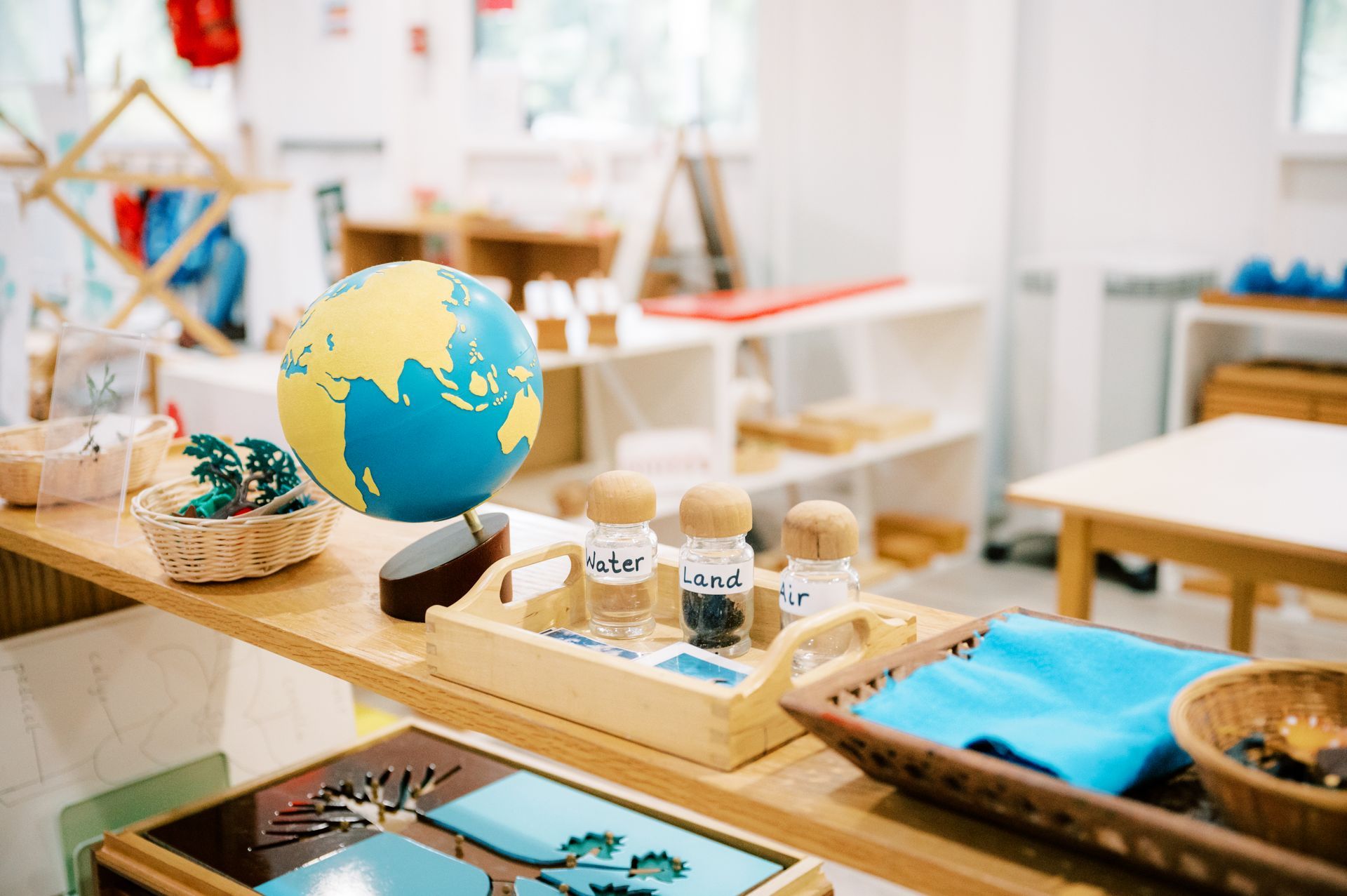
Buddy classrooms are where students from different classrooms regularly come and go to work and learn together in shared spaces throughout the school. In this setup, they interact with one another, creating a more dynamic and collaborative environment. We also have mixed ages inside the classroom, which allows younger and older students to learn from each other, build relationships, and develop important social and leadership skills.  In a Montessori environment, one of the most powerful and unique aspects of learning is the natural collaboration that occurs between children of different ages. Unlike traditional classrooms that separate students strictly by grade, Montessori classrooms are intentionally designed to foster connection, mentorship, and shared discovery. At AIMS, this philosophy comes to life in meaningful and inspiring ways as older children regularly work alongside younger ones, whether through reading together or demonstrating classroom materials, often referred to as “works.” When older children read to younger students, the experience goes far beyond simple storytelling. For the younger child, it provides a model of fluent reading, builds listening skills, and nurtures a love for language. There is something deeply engaging about hearing a story from a peer: it feels accessible, relatable, and exciting. Younger students often look up to older ones, and this admiration naturally increases their motivation to learn and grow. For the older child, the benefits are equally significant. Reading aloud strengthens comprehension, fluency, and confidence. It also requires patience and awareness, as they adjust their pace and tone to meet the needs of their younger audience. In these moments, older students step into a leadership role, developing empathy and a sense of responsibility. They begin to see themselves not just as learners, but as contributors to their community. Another beautiful aspect of this cross-age interaction at AIMS is when older children present works to younger students. These demonstrations might include showing how to use a specific material, explaining a concept, or guiding a younger child through a hands-on activity. For the younger child, this peer-led introduction can feel less intimidating than adult instruction. It encourages curiosity and invites them to explore new challenges with confidence. Meanwhile, the older child deepens their own understanding by teaching. Explaining a concept requires clarity of thought and reinforces their knowledge in a lasting way. It also cultivates pride and ownership in their learning journey. They begin to recognize that mastery is not just about completing a task, but about being able to share it meaningfully with others. At AIMS, these interactions are not forced, they grow organically within a carefully prepared environment. Teachers guide and support the process, ensuring that each child is both challenged and nurtured. The result is a vibrant community where collaboration replaces competition, and learning becomes a shared experience. Ultimately, the relationship between older and younger children in a Montessori setting reflects a broader life lesson: we learn best when we learn together. Younger children gain inspiration, guidance, and confidence, while older children develop leadership, empathy, and a deeper understanding of their own abilities. It is a dynamic, reciprocal process that enriches everyone involved, and it is one of the many ways AIMS creates a truly meaningful educational experience.
By Ms. Kilpatrick May 19, 2026
“To confer the gift of drawing, we must create an eye that sees, a hand that obeys, a soul that feels; and in this task, the whole life must cooperate. In this sense, life itself is the only preparation for drawing. Once we have lived, the inner spark of vision does the rest.” –Maria Montessori